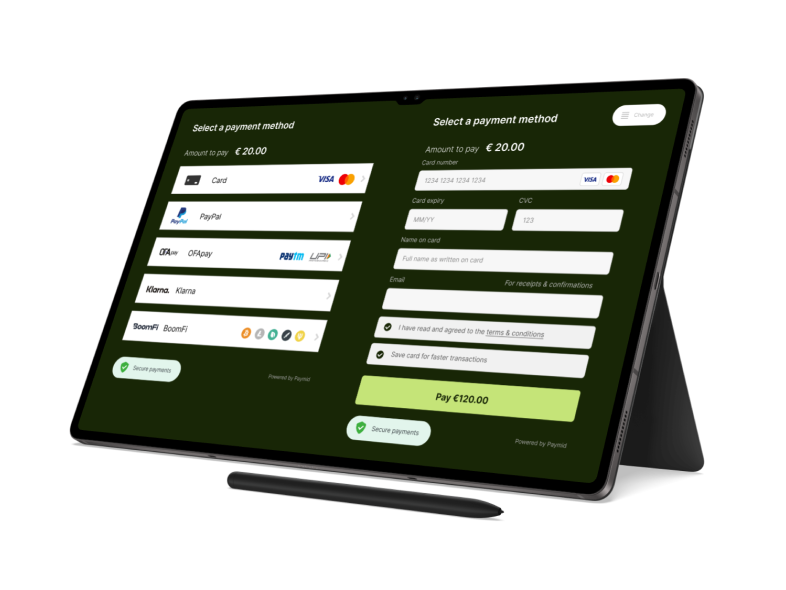


Cross-Border Payment Orchestration: Simplifying Global Commerce in 2026

In an increasingly interconnected world, businesses are no longer confined by geographical borders. The global e-commerce market is projected to exceed $8 trillion by 2026, with cross-border transactions accounting for a significant portion of this growth. However, expanding internationally brings a unique set of challenges—particularly when it comes to payments. From navigating complex currency conversions to complying with regional regulations, the payment landscape can be daunting for even the most established merchants.
This is where payment orchestration emerges as a game-changing solution. By intelligently managing multiple payment providers, methods, and currencies through a unified platform, businesses can streamline their global payment operations and unlock new growth opportunities. In this comprehensive guide, we’ll explore the challenges of cross-border payments, the critical components of successful international transactions, and how Paymid’s payment orchestration platform simplifies global commerce.
The Complex Landscape of Cross-Border Payments
Cross-border payments have historically been fraught with friction. Traditional banking systems, designed decades ago for domestic transactions, struggle to efficiently handle the complexities of international money movement. When a customer in Brazil attempts to purchase from a merchant in Germany, the transaction must navigate multiple intermediaries, currency exchanges, and regulatory frameworks—each adding cost, time, and potential points of failure.
The challenges are multifaceted. Transaction fees can range from 3% to 7% of the purchase value, significantly eating into merchant margins. Settlement times often stretch across several business days, creating cash flow challenges. Perhaps most critically, payment failure rates for cross-border transactions can reach 15-20%—compared to just 2-3% for domestic payments—directly impacting revenue and customer satisfaction.
Consumer expectations further complicate the equation. Today’s global shoppers demand localized experiences, including the ability to pay using their preferred local methods. A German customer expects to pay with SOFORT or giropay, while a Brazilian shopper prefers PIX or Boleto Bancário. Supporting these diverse payment preferences requires integrations with dozens of local providers—a logistical nightmare for merchants attempting to build and maintain these connections independently.
Currency Conversion and Foreign Exchange Management
One of the most significant complexities in cross-border commerce is currency conversion. When transactions involve multiple currencies, businesses face exposure to foreign exchange (FX) volatility that can dramatically impact profitability. A transaction that appears profitable today may result in a loss tomorrow if exchange rates shift unfavorably.
Dynamic currency conversion (DCC) offers one solution, allowing customers to see prices and complete transactions in their local currency. However, DCC services often come with unfavorable exchange rates and additional fees, potentially creating customer dissatisfaction. Merchants must carefully balance the convenience of DCC against the cost implications for their customers.
More sophisticated approaches involve multi-currency pricing strategies, where merchants display prices in local currencies while maintaining the flexibility to settle in their preferred currency. This approach requires robust FX management capabilities, including real-time rate monitoring, hedging strategies, and intelligent routing to minimize conversion costs.
Paymid’s intelligent payment routing capabilities extend to currency management, automatically selecting optimal conversion paths based on current exchange rates, transaction amounts, and provider fees. This ensures merchants maximize their revenue while providing transparent, fair pricing to customers regardless of their location.
Local Payment Method Preferences by Region
Understanding regional payment preferences is crucial for successful international expansion. Payment method popularity varies dramatically across markets, and failing to support local favorites can result in abandoned carts and lost sales. Let’s examine the payment landscape across key global regions:
Europe
The European market demonstrates significant payment diversity. While credit cards remain popular in Western Europe, alternative payment methods dominate in specific countries. In Germany, bank transfers account for over 50% of e-commerce transactions, with SOFORT, giropay, and SEPA direct debit being preferred options. The Netherlands favors iDEAL, used in over 60% of online purchases. Meanwhile, Nordic countries show strong adoption of mobile payment solutions like MobilePay and Swish.
The European market is also shaped by strong regulatory frameworks, including the Revised Payment Services Directive (PSD2) and Strong Customer Authentication (SCA) requirements. These regulations mandate multi-factor authentication for electronic payments, adding a layer of security that, while beneficial, can impact conversion rates if not implemented thoughtfully.
Asia-Pacific
The Asia-Pacific region showcases perhaps the most diverse payment ecosystem globally. China’s e-commerce market is dominated by Alipay and WeChat Pay, with mobile wallets processing over 80% of transactions. In India, the Unified Payments Interface (UPI) has revolutionized digital payments, processing billions of transactions monthly. Southeast Asian markets favor a mix of e-wallets like GrabPay, GoPay, and regional bank transfers.
Japan and South Korea maintain strong preferences for locally-specific payment methods, including Konbini (convenience store) payments in Japan and various card-based systems in Korea. Australia’s market more closely resembles Western patterns but with strong adoption of PayPal and buy-now-pay-later services like Afterpay.
Latin America
Latin America presents unique challenges due to lower credit card penetration and varying levels of banking access. Brazil leads the region in payment innovation with PIX, the instant payment system launched by the Central Bank, now processing over 60% of digital transactions. Mexico favors OXXO convenience store payments and SPEI bank transfers, while Argentina’s market is heavily influenced by currency controls and inflation, driving adoption of multiple payment methods.
Middle East and Africa
The Middle East shows strong adoption of digital wallets and cash-on-delivery options, with varying preferences across countries. The UAE and Saudi Arabia demonstrate sophisticated digital payment adoption, while cash remains prevalent in other markets. Africa’s payment landscape is rapidly evolving, with mobile money solutions like M-Pesa transforming commerce in East Africa and increasingly sophisticated banking infrastructure in Nigeria and South Africa.
Regulatory Compliance: Navigating the Global Framework
Operating across borders means navigating a complex web of regulatory requirements. Compliance failures can result in severe penalties, operational restrictions, and reputational damage. Understanding and adhering to regional regulations is non-negotiable for global payment operations.
PSD2 and Strong Customer Authentication (SCA)
The European Union’s Payment Services Directive 2 (PSD2) fundamentally changed the payments landscape by introducing Strong Customer Authentication requirements. SCA mandates that electronic payments be authenticated using at least two of three factors: something the customer knows (password/PIN), something the customer has (phone/token), or something the customer is (biometric).
While SCA enhances security, it can increase friction in the checkout process. Exemptions exist for low-risk transactions, subscription renewals, and merchant-initiated transactions, but navigating these exemptions requires sophisticated systems capable of real-time risk assessment. Merchants must implement intelligent exemption strategies to balance security with conversion optimization.
GDPR and Data Privacy
The General Data Protection Regulation (GDPR) sets stringent standards for handling EU residents’ personal data, including payment information. Key requirements include obtaining explicit consent for data processing, providing data portability, enabling right-to-erasure requests, and implementing privacy by design principles.
Payment data is considered particularly sensitive under GDPR, requiring enhanced security measures and strict limitations on data retention. Merchants must ensure their payment processing partners maintain GDPR compliance, including appropriate data processing agreements and security certifications.
PCI DSS Compliance
The Payment Card Industry Data Security Standard (PCI DSS) applies globally to any entity handling cardholder data. Achieving and maintaining PCI compliance involves rigorous security measures including network segmentation, encryption, access controls, and regular security testing. For merchants operating across multiple regions, maintaining consistent PCI compliance while adapting to regional variations in card scheme requirements presents ongoing challenges.
Regional Licensing and Regulatory Variations
Beyond these major frameworks, individual countries maintain their own payment regulations. Singapore’s Payment Services Act, Australia’s Payment Systems Regulation, Brazil’s Central Bank regulations, and countless other national frameworks create a complex compliance landscape. Operating legally across multiple jurisdictions often requires partnerships with locally licensed payment providers or obtaining multiple licenses—a significant barrier to entry for many merchants.
How Paymid Simplifies Cross-Border Payments
Paymid’s payment orchestration platform is designed specifically to address these cross-border complexities, providing merchants with a unified solution for global payment operations. By abstracting the complexity of multiple provider integrations, currency management, and regulatory compliance, Paymid enables businesses to expand internationally with confidence.
Unified Integration Layer
Rather than building individual integrations with dozens of payment providers across different regions, merchants can connect to Paymid once and gain immediate access to 190+ countries and 150+ payment methods. This unified integration dramatically reduces time-to-market for international expansion while eliminating the ongoing maintenance burden of multiple provider connections.
Intelligent Payment Routing
Paymid’s intelligent routing engine automatically directs transactions to the optimal payment provider based on multiple factors including success rates, processing fees, currency requirements, and regional preferences. This dynamic optimization can reduce failed payments by up to 40%, directly impacting revenue recovery.
The routing system continuously learns from transaction outcomes, adapting to changing conditions in real-time. If a particular provider experiences degraded performance in a specific region, transactions are automatically rerouted to maintain high success rates. This self-healing capability ensures consistent performance even as market conditions fluctuate.
Comprehensive Currency Management
Paymid simplifies multi-currency operations by handling conversion automatically while providing merchants with flexible settlement options. Support for 135+ currencies enables true localization of pricing, while real-time FX rate monitoring ensures competitive conversion costs. Merchants can choose to settle in their preferred currency or maintain balances in multiple currencies to optimize cash flow and minimize conversion fees.
Compliance and Security
Paymid’s platform incorporates comprehensive compliance features, including built-in PSD2/SCA support with intelligent exemption management, GDPR-compliant data handling, and Level 1 PCI DSS certification. By centralizing compliance management, merchants can confidently operate across regulated markets without building individual compliance programs for each jurisdiction.
Unified Analytics and Reporting
Operating across multiple payment providers traditionally creates data fragmentation, making it difficult to gain unified insights into payment performance. Paymid’s analytics platform consolidates transaction data across all providers, currencies, and regions, providing actionable insights into approval rates, decline reasons, regional performance, and revenue optimization opportunities.
The Future of Cross-Border Commerce
As we move through 2026, several trends are reshaping the cross-border payment landscape. Instant payment systems are proliferating globally, with systems like PIX in Brazil, UPI in India, and FedNow in the United States enabling real-time domestic transfers that are increasingly connecting across borders. Central Bank Digital Currencies (CBDCs) are advancing from pilot programs to live implementations, potentially revolutionizing cross-border settlement.
Artificial intelligence and machine learning are driving increasingly sophisticated fraud detection and payment optimization. Real-time risk scoring, behavioral biometrics, and predictive analytics are enabling merchants to balance security and friction more effectively than ever before.
For merchants, the key to thriving in this evolving landscape is flexibility. Payment orchestration platforms like Paymid provide the agility needed to adapt to emerging payment methods, regulatory changes, and market conditions without constant technical rework. By decoupling the customer experience from underlying provider infrastructure, businesses can future-proof their payment operations while maintaining optimal performance today.
Conclusion
Cross-border payment orchestration represents a fundamental shift in how businesses approach international commerce. Rather than viewing global expansion as a series of complex technical and regulatory challenges, payment orchestration transforms it into a strategic opportunity. By leveraging Paymid’s unified platform, merchants can offer localized payment experiences across 190+ countries, optimize transaction success rates through intelligent routing, and maintain compliance with evolving global regulations—all through a single integration.
The businesses that thrive in the global economy of 2026 and beyond will be those that remove friction from the payment experience while maintaining the security and compliance standards that customers and regulators demand. Payment orchestration is not just a technical solution; it’s a competitive advantage that enables merchants to focus on growth while Paymid handles the complexity of global payments.

Matt Star
Matt Star is a Financial Markets professional with over 25 years experience across Institutional markets, Margin Forex, CFDs and Crypto. Located in Sydney, Matt is a well experienced and valued partner in Paymid Limited.