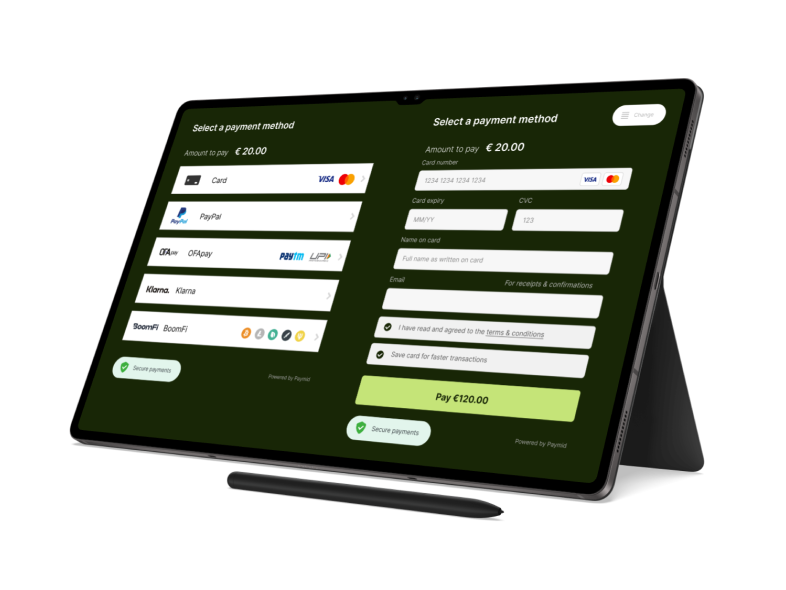


Payment Orchestration for Marketplaces: Managing Multi-Party Payments

In the rapidly evolving world of digital commerce, online marketplaces have become the backbone of global trade. From e-commerce giants like Amazon and eBay to specialized platforms connecting freelancers with clients, marketplaces facilitate billions of transactions daily. However, behind the seamless user experience lies a complex web of multi-party payment orchestration that presents unique challenges for platform operators. Understanding and implementing effective payment orchestration for marketplaces is no longer optional—it’s a critical competitive advantage.
Understanding Marketplace Payment Complexity
Marketplace payment processing fundamentally differs from traditional e-commerce. When a customer makes a purchase on a marketplace platform, the transaction doesn’t simply flow from buyer to seller. Instead, it involves multiple stakeholders: the buyer, the seller (or vendors), the marketplace platform itself, and often various service providers. This creates a multi-party payment ecosystem that requires sophisticated orchestration.
The complexity begins with split payments. When a customer pays $100 for a product, that amount must be divided among various parties. The vendor might receive $80, the marketplace keeps a $15 commission, and $5 goes toward payment processing fees. This division becomes exponentially more complex when dealing with multiple vendors in a single transaction—such as when a customer purchases items from three different sellers in one checkout.
To understand the foundation of these systems, it’s essential to first grasp what is payment orchestration and how it serves as the backbone of modern payment infrastructure. Payment orchestration platforms act as the central nervous system, coordinating between multiple payment service providers, fraud detection systems, and compliance tools.
The Split Payment Challenge
Split payments represent one of the most significant technical challenges in marketplace payment processing. Traditional payment gateways are designed for simple, two-party transactions where money flows from buyer to merchant. Marketplaces require the ability to divide payments across multiple recipients in real-time or near real-time.
Key challenges include:
- Timing complexity: Determining when to split funds—at the time of transaction, during settlement, or through manual reconciliation
- Currency management: Handling splits across different currencies with fluctuating exchange rates
- Refund management: Processing partial or full refunds when funds have already been distributed
- Dispute resolution: Managing chargebacks and disputes when multiple parties are involved
- Tax implications: Calculating and withholding appropriate taxes across different jurisdictions
Modern payment orchestration platforms solve these challenges through intelligent routing algorithms and automated settlement engines. These systems can automatically calculate splits, hold funds in escrow when necessary, and ensure each party receives their correct share according to predefined rules. The difference between traditional payment processing and orchestration becomes clear when comparing payment orchestration vs gateway solutions.
Automating Vendor Payouts
One of the most critical aspects of marketplace operations is ensuring vendors receive their funds accurately and on time. Manual payout processes are not only time-consuming but prone to errors that can damage vendor relationships and platform reputation. Automated vendor payout systems have become essential for scaling marketplace operations.
Effective payout automation involves several key components:
Scheduled Distribution
Marketplaces can configure automatic payouts on daily, weekly, or monthly schedules based on vendor preferences or platform policies. This ensures consistent cash flow for vendors while reducing administrative overhead for the platform.
Threshold-Based Releases
Some platforms implement minimum payout thresholds to reduce transaction costs. Automated systems can accumulate earnings and release funds only when vendors reach specified amounts, optimizing payment processing fees.
Multi-Currency Support
Global marketplaces must handle payouts in multiple currencies. Advanced orchestration platforms automatically convert funds at competitive exchange rates and route payments through local banking networks to minimize fees. For global operations, understanding cross-border payment orchestration is crucial for success.
Payment Method Flexibility
Vendors may prefer different payout methods—bank transfers, digital wallets, or even cryptocurrency. A robust orchestration layer supports diverse payout options, accommodating vendors across different regions and preferences. With 700+ payment methods available globally, flexibility is essential.
Escrow and Trust Mechanisms
Trust is the currency of marketplace success. Buyers need confidence they’ll receive their purchased goods or services; vendors need assurance they’ll be paid for their offerings. Escrow services provide this mutual protection by temporarily holding funds until transaction conditions are met.
Payment orchestration platforms integrate escrow functionality that:
- Holds funds securely: Keeps transaction amounts in protected accounts until delivery confirmation
- Enables milestone releases: Supports partial releases for long-term projects or phased deliveries
- Manages disputes: Provides frameworks for resolving conflicts and determining fund distribution
- Automates release triggers: Integrates with shipping APIs, delivery confirmations, or service completion signals
For service-based marketplaces, escrow becomes even more critical. Platforms connecting freelancers with clients rely on milestone-based payments where funds are released only upon project phase completion. This protects both parties and reduces platform liability.
Compliance and Regulatory Requirements
Operating a marketplace involves navigating a complex regulatory landscape. Unlike simple merchants, marketplaces must comply with regulations governing money transmission, know-your-customer (KYC) requirements, anti-money laundering (AML) protocols, and tax reporting obligations.
Payment Institution Licensing
In many jurisdictions, holding and distributing funds on behalf of others requires specific licenses. Marketplaces must either obtain these licenses or partner with licensed payment institutions. Payment orchestration providers often hold the necessary licenses, allowing platforms to operate under their regulatory umbrella.
KYC and AML Compliance
Every vendor on a marketplace must be properly verified. Automated KYC systems integrated into payment orchestration platforms streamline identity verification, document validation, and ongoing monitoring for suspicious activity. This protects the platform from fraud while ensuring regulatory compliance.
Tax Reporting and 1099s
Marketplaces must track and report vendor earnings for tax purposes. In the United States, this means issuing 1099 forms to vendors who exceed $600 in annual earnings. Automated systems extract transaction data, calculate totals, and generate necessary tax documentation, saving countless hours during tax season.
PCI DSS Compliance
Handling card payments requires strict adherence to Payment Card Industry Data Security Standards. Payment orchestration platforms maintain PCI DSS Level 1 certification, the highest level of security compliance, ensuring that sensitive card data is protected throughout the transaction lifecycle.
Platform Integration Options
Implementing payment orchestration for marketplaces requires choosing the right integration approach. Modern platforms offer various options to match technical capabilities and business requirements:
API-First Integration
RESTful APIs provide the most flexible integration option, allowing developers to embed payment functionality directly into marketplace applications. This approach offers complete customization of the user experience while leveraging the orchestration platform’s backend capabilities.
Hosted Solutions
For marketplaces seeking faster implementation, hosted checkout pages and vendor dashboards provide turnkey solutions. These pre-built interfaces reduce development time while maintaining professional aesthetics and full functionality.
Plugin and Module Support
Popular e-commerce platforms like WooCommerce, Magento, and Shopify offer marketplace plugins that integrate with payment orchestration providers. These solutions enable rapid deployment for marketplaces built on standard platforms.
White-Label Options
Enterprise marketplaces can leverage white-label payment orchestration solutions that operate entirely behind the scenes. Customers and vendors interact with the marketplace brand exclusively, while the orchestration platform handles all technical complexity transparently.
Case Study: Global Freelance Marketplace
Consider the example of a global freelance platform connecting businesses with creative professionals across 50+ countries. Before implementing modern payment orchestration, this marketplace faced significant operational challenges:
- Manual payout processing: A team of five administrators spent 40+ hours weekly processing vendor payments
- Currency conversion losses: Unfavorable exchange rates and high forex fees reduced vendor earnings by 3-5%
- Compliance risks: Inconsistent KYC verification created regulatory exposure
- Vendor churn: Delayed payments and complicated withdrawal processes drove freelancers to competing platforms
After implementing a comprehensive payment orchestration solution, the transformation was dramatic:
- Automated operations: Payout processing time reduced from 40 hours to zero—payments now occur automatically based on vendor preferences
- Cost savings: Intelligent routing and local payment networks reduced transaction costs by 35%
- Global expansion: Support for local payment methods enabled market entry in 12 new countries
- Vendor satisfaction: Same-day payouts and multiple withdrawal options increased vendor retention by 28%
- Compliance confidence: Automated KYC, AML monitoring, and tax reporting eliminated regulatory concerns
The platform’s finance team now focuses on strategic initiatives rather than operational firefighting. Meanwhile, vendors enjoy faster, cheaper access to their earnings, and the marketplace has established a reputation as the preferred platform for international freelancers.
Conclusion: The Strategic Imperative
Payment orchestration for marketplaces has evolved from a technical consideration to a strategic business imperative. As competition intensifies and customer expectations rise, the ability to process multi-party payments efficiently, securely, and cost-effectively directly impacts marketplace success.
Platforms that invest in modern payment orchestration gain significant advantages: operational efficiency that reduces costs, automated compliance that minimizes risk, and superior vendor experiences that drive retention and growth. In an increasingly connected global economy, these capabilities separate market leaders from the competition.
For marketplace operators evaluating their payment infrastructure, the question is no longer whether to implement payment orchestration, but how quickly it can be deployed. The future of digital commerce belongs to platforms that can seamlessly orchestrate complex payment ecosystems while delivering simple, trustworthy experiences to buyers and sellers alike.
By partnering with experienced payment orchestration providers, marketplaces can focus on their core mission—connecting buyers and sellers—while leaving the complexity of multi-party payment management to specialized platforms designed for exactly that purpose.

Matt Star
Matt Star is a Financial Markets professional with over 25 years experience across Institutional markets, Margin Forex, CFDs and Crypto. Located in Sydney, Matt is a well experienced and valued partner in Paymid Limited.