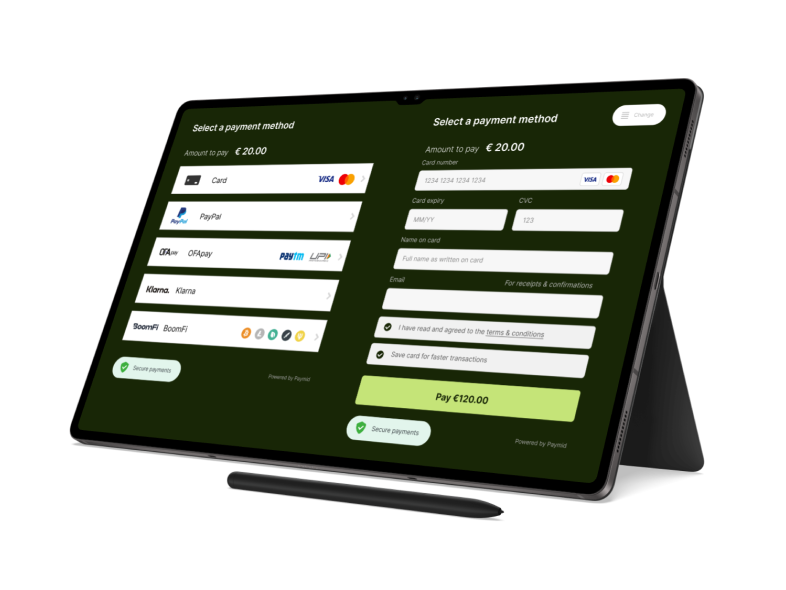


Embedded Payments: The Secret Weapon for Platform Growth in 2026

In 2026, the line between software platforms and financial services has completely dissolved. The most successful platforms aren’t just offering payments as a feature—they’re embedding financial experiences directly into their core products, creating new revenue streams and dramatically increasing customer lifetime value.
Embedded payments have evolved from a nice-to-have feature to a competitive necessity. Whether you’re running a marketplace, SaaS platform, or e-commerce solution, understanding how to leverage embedded payments can be the difference between stagnation and exponential growth.
What Are Embedded Payments?
Embedded payments refer to the integration of financial transaction capabilities directly within a software platform’s user experience. Instead of redirecting users to external payment gateways or banking interfaces, the entire payment flow happens seamlessly within your application.
This approach transforms payments from a necessary friction point into a value-added service. Users get a consistent, branded experience while platforms gain control over the transaction lifecycle—and capture a larger share of the economics.
The Revenue Impact: Why Platforms Are Making the Switch
Platforms implementing embedded payment strategies are seeing transformative results:
- 15-30% increase in revenue per user through payment monetization
- 40% reduction in customer churn due to increased platform stickiness
- 3-5x higher valuations compared to traditional SaaS businesses
- 60% faster time-to-revenue for new merchant onboarding
The economics are compelling. When you control the payment flow, you capture interchange revenue, payment processing fees, and create new monetization opportunities through financial services like lending, insurance, and expense management.
Key Use Cases for Embedded Payments
1. SaaS Platforms
Software platforms like project management tools, CRM systems, and accounting software are embedding payments to help their customers collect revenue. A project management platform, for example, can enable users to invoice clients and accept payments without leaving the application—adding direct value while capturing transaction fees.
2. Marketplaces
Marketplaces have unique payment orchestration needs, handling complex multi-party transactions, automated payouts, and escrow services. Embedded payment solutions enable marketplaces to manage these flows seamlessly while complying with regulations across multiple jurisdictions.
3. E-commerce Platforms
Modern e-commerce platforms embed everything from payment acceptance to subscription billing and dunning management. This creates a unified commerce experience while giving merchants access to sophisticated payment tools that were previously only available to enterprise businesses.
4. Vertical Software
Industry-specific software—from gym management systems to veterinary practice software—is increasingly embedding payments tailored to their vertical. These specialized solutions handle industry-specific workflows like recurring memberships, payment plans, and insurance processing.
Technical Implementation: The Embedded Payment Stack
Building embedded payments requires a thoughtful technical architecture:
Payment Orchestration Layer
At the core is a payment orchestration layer that routes transactions intelligently across multiple payment service providers. This ensures optimal authorization rates, supports global payment methods, and provides redundancy if one provider experiences issues.
Modern orchestration uses AI to analyze transaction patterns in real-time, automatically selecting the best routing path based on historical performance, cost optimization, and risk assessment.
Compliance and Risk Management
Embedded payment platforms must handle complex compliance requirements including PCI DSS, PSD3, GDPR, and AML regulations. Fraud prevention systems using machine learning are essential to protect both the platform and its users from evolving threats.
Embedded Banking Services
The next evolution extends beyond payments to full embedded banking: business accounts, virtual cards, lending, and treasury management. These services deepen platform relationships and create additional revenue streams through interest spreads and lending fees.
2026 Trends Shaping Embedded Payments
AI-Powered Personalization
Machine learning is enabling hyper-personalized payment experiences. Platforms can now dynamically present payment methods based on user preferences, location, device, and historical behavior—optimizing for both conversion and cost.
Real-Time Everything
Real-time payment orchestration has become table stakes. Users expect instant authorization, immediate payouts, and real-time transaction visibility. Legacy batch processing systems simply can’t compete.
Global-First Architecture
Modern platforms are built for global markets from day one. This means multi-currency support, local payment methods, and compliance frameworks that scale across 100+ countries without requiring fundamental architectural changes.
Open Banking Integration
PSD3 and global open banking initiatives are accelerating embedded payment adoption. Account-to-account payments, instant bank transfers, and rich payment data are now accessible through standardized APIs, reducing reliance on traditional card networks.
Choosing the Right Embedded Payment Partner
Not all embedded payment solutions are created equal. When evaluating partners, consider:
- API Design: Modern, well-documented APIs accelerate integration and reduce engineering overhead
- Global Coverage: Support for the markets and payment methods your users need
- Compliance: Built-in PCI compliance, fraud prevention, and regulatory adherence
- Intelligence: AI-powered routing, retry logic, and payment analytics
- Flexibility: Customizable UX components that maintain your brand identity
- Economics: Transparent pricing that supports your business model
The Paymid Advantage
Paymid’s embedded payment infrastructure is designed specifically for platforms that need enterprise-grade capabilities without enterprise-grade complexity. Our API-first approach means you can integrate sophisticated payment orchestration in weeks, not months.
With 700+ integrated payment channels, cross-border payment orchestration, and intelligent routing powered by machine learning, Paymid gives platforms the tools to monetize payments while delivering exceptional user experiences.
Whether you’re building embedded payments into a SaaS platform, marketplace, or vertical software solution, our infrastructure scales with your growth—from your first transaction to your billionth.
Conclusion: The Time to Embed Is Now
Embedded payments represent one of the biggest opportunities in fintech today. Platforms that move quickly to integrate financial services into their core products will capture disproportionate value, while those that wait risk being commoditized by competitors who do.
The technology barriers have never been lower. With modern payment orchestration platforms like Paymid, you can embed sophisticated payment capabilities without building from scratch or managing complex compliance requirements.
The question isn’t whether to embed payments—it’s how fast you can get started.
Ready to embed payments into your platform? Contact Paymid to learn how our payment orchestration infrastructure can accelerate your embedded finance strategy.

Matt Star
Matt Star is a Financial Markets professional with over 25 years experience across Institutional markets, Margin Forex, CFDs and Crypto. Located in Sydney, Matt is a well experienced and valued partner in Paymid Limited.