

Payment Tokenization: Securing Digital Transactions in 2026

As digital commerce continues its explosive growth, securing sensitive payment data has never been more critical. Payment tokenization has emerged as the gold standard for protecting cardholder information while enabling seamless, frictionless transactions across channels. In 2026, this technology is not just a security measure—it is a fundamental enabler of modern payment experiences.
Every day, millions of consumers enter their card details online, save payment methods for future purchases, and transact across multiple devices. Without proper protection, each of these interactions represents a potential vulnerability. Payment tokenization transforms this risk landscape by replacing sensitive card data with unique digital identifiers, rendering stolen information useless to criminals.
What Is Payment Tokenization?
Payment tokenization is the process of replacing sensitive payment card data—such as the Primary Account Number (PAN), expiration date, and security code—with a unique, randomly generated string of characters called a token. This token has no exploitable value if compromised because it cannot be reverse-engineered to reveal the original card data without access to the tokenization system.
The actual card data is stored securely in a token vault, typically managed by a payment service provider or tokenization platform. When a transaction is processed, the token is submitted instead of the real card number, and the tokenization provider maps the token back to the actual PAN for authorization.
How Payment Tokenization Works
The tokenization process operates seamlessly behind the scenes, providing security without sacrificing user experience:
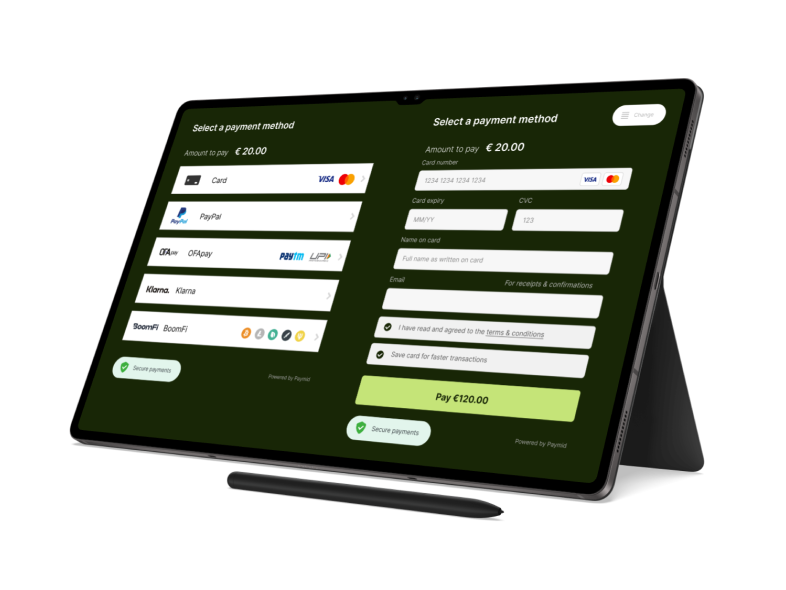
- Data Capture: When a customer enters their card details, either for a one-time purchase or to save for future use, the sensitive information is sent directly from the browser or app to the tokenization provider via secure encryption.
- Token Generation: The tokenization system generates a unique token that maps to the actual card data. This token follows specific formatting rules—often maintaining the same length and structure as a real card number to ensure compatibility with existing systems.
- Secure Storage: The real card data is encrypted and stored in a highly secure token vault, typically meeting or exceeding PCI DSS Level 1 compliance requirements.
- Token Distribution: Only the token is returned to the merchant’s system, which can safely store it for recurring billing, one-click checkout, or subscription management without handling sensitive data.
- Transaction Processing: When a purchase is made, the merchant submits the token to their payment processor, which routes it to the tokenization provider for detokenization and authorization.
The Security Advantages of Tokenization
Tokenization provides multiple layers of security that benefit every stakeholder in the payment ecosystem:
1. Reduced PCI DSS Scope
By ensuring merchants never store actual card data, tokenization dramatically reduces PCI DSS compliance scope. Merchants can achieve compliance faster and at lower cost, often qualifying for simplified Self-Assessment Questionnaires (SAQs) instead of comprehensive on-site audits.
2. Breach Protection
In the event of a data breach, stolen tokens are worthless to attackers. Without access to the token vault and the cryptographic keys that map tokens to actual card data, criminals cannot extract any usable payment information from compromised systems.
3. Format-Preserving Security
Tokens are designed to maintain the format of original card data—same length, same structure, often even the same last four digits. This ensures compatibility with existing payment systems, reporting tools, and customer service workflows while still providing complete security.
4. Network Tokenization
Beyond merchant tokenization, payment networks now offer network tokens that provide an additional layer of security. These tokens are unique to each device and merchant combination, making them useless if intercepted and used elsewhere.
Business Benefits Beyond Security
While security is the primary driver for tokenization adoption, businesses also benefit from operational and revenue advantages:
Higher Authorization Rates
Network tokens are recognized and trusted by card issuers, often resulting in 2-6% higher authorization rates compared to traditional card-not-present transactions. When combined with intelligent payment routing, these improvements compound significantly.
Reduced Fraud and Chargebacks
Tokenization makes it significantly harder for fraudsters to use stolen payment data. Even if credentials are compromised elsewhere, they cannot be used to generate valid tokens without the original card information. This reduces fraud losses and chargeback rates, protecting both revenue and merchant account standing.
Enhanced Customer Experience
With tokenization, businesses can safely offer one-click checkout, subscription management, and smart dunning for failed payments. Customers enjoy frictionless experiences while their data remains protected.
Lower Operational Costs
Simplified PCI compliance, reduced fraud investigation costs, and fewer customer service inquiries about security concerns all contribute to lower operational overhead. Tokenization investments typically pay for themselves within months through these efficiency gains.
Tokenization in the Modern Payment Ecosystem
One-Click and One-Tap Checkout
Tokenization enables the seamless checkout experiences that customers increasingly expect. Whether it is Amazon’s 1-Click, Apple Pay, or merchant-specific saved payment methods, tokens make instant purchasing possible without compromising security.
Subscription and Recurring Billing
For SaaS companies and subscription businesses, tokenization is essential. Stored tokens enable automated billing while ensuring that card updates—when customers receive new cards due to expiration or reissuance—are handled automatically through real-time payment orchestration and account updater services.
Cross-Channel Consistency
Modern consumers expect consistent payment experiences across web, mobile, and in-store channels. Tokenization enables this by allowing the same payment credential to be securely represented across all touchpoints, supporting true omnichannel commerce.
Digital Wallets and Mobile Payments
Every major digital wallet—Apple Pay, Google Pay, Samsung Pay—relies on tokenization at its core. When you add a card to your phone, the actual card number is never stored on the device. Instead, a unique device-specific token is generated, providing security even if the device is lost or stolen.
Implementing Tokenization: Key Considerations
Vault Security and Compliance
When evaluating tokenization providers, security certifications are paramount. Look for PCI DSS Level 1 compliance, SOC 2 Type II certifications, and encryption standards that meet or exceed industry requirements. The token vault should offer geographic redundancy, regular penetration testing, and comprehensive audit logging.
Token Lifecycle Management
Effective tokenization requires robust lifecycle management. Tokens should be revocable if compromised, updatable when underlying card data changes, and manageable across multiple merchant accounts or payment processors. Ensure your provider offers comprehensive token management APIs.
Integration Flexibility
Modern tokenization should integrate seamlessly with your existing payment stack. Look for solutions that work with your current payment processors, support payment orchestration platforms, and offer APIs that accelerate implementation.
Network Token Support
Ensure your tokenization strategy includes network tokens from Visa (VTS), Mastercard (MDES), and American Express. These tokens provide the highest authorization rates and strongest fraud protection, especially for cross-border transactions.
The Future of Payment Tokenization
As payment technology evolves, tokenization continues to expand its role:
Click to Pay: The EMVCo standard for universal online checkout relies entirely on tokenization to deliver consistent, secure one-click experiences across all participating merchants.
IoT and Connected Commerce: As payments extend to smart devices, cars, and appliances, tokenization enables secure transactions from environments where traditional security measures are impractical.
Biometric Integration: Tokens are increasingly linked to biometric authentication, creating payment experiences that are both more secure and more convenient than passwords or PINs.
Degraded Token Intelligence: Next-generation tokenization systems use AI to detect unusual token usage patterns, automatically revoking tokens that show signs of compromise before fraud can occur.
Conclusion: Tokenization as Business Strategy
Payment tokenization has evolved from a security checkbox to a strategic business enabler. In 2026, merchants that leverage comprehensive tokenization strategies enjoy higher authorization rates, lower fraud losses, reduced compliance costs, and superior customer experiences.
The question is no longer whether to implement tokenization, but how comprehensively to deploy it across your payment ecosystem. With solutions like Paymid’s payment orchestration platform, businesses can access enterprise-grade tokenization without enterprise-grade complexity, integrating network tokens, merchant tokens, and lifecycle management through a single API.
As payment fraud becomes more sophisticated and regulatory requirements more stringent, tokenization provides the foundation for secure, scalable digital commerce. The businesses that invest in robust tokenization today will be best positioned for the payment innovations of tomorrow.
Ready to implement secure payment tokenization for your business? Contact Paymid to learn how our payment orchestration platform can protect your transactions while maximizing conversion rates.

Matt Star
Matt Star is a Financial Markets professional with over 25 years experience across Institutional markets, Margin Forex, CFDs and Crypto. Located in Sydney, Matt is a well experienced and valued partner in Paymid Limited.